

Evaluating Automated Communication for Boutique Rentals
Running a boutique vacation rental or a specialized creative retreat involves balancing operational efficiency with the personalized touch that guests expect from a hospitality provider. As property managers attempt to scale their portfolios or focus their energy on enhancing the on-site guest experience, the volume of routine inquiries can become substantial. Prospective and current guests frequently ask about check-in procedures, network access passwords, parking arrangements, and pet policies throughout the day. Navigating these questions gracefully is part of creating a welcoming environment. To manage this communication flow, some operators are evaluating automated conversational tools. However, selecting software is a thoughtful business decision that impacts both guest communication and back-end operations. A deliberate approach involves comparing how different systems might route incoming messages, interact with existing property management software, and transition complex issues to a human staff member. Property managers are tasked with curating not just the physical space, but the entire communication journey leading up to a reservation.
When evaluating these diverse systems, operators might look beyond marketing materials and examine the functional capabilities presented by different vendors. It is highly beneficial to consult a comprehensive chatbot app comparison guide to review the breadth of available features and explore a conversational solution tailored to unique hospitality environments. Understanding the landscape of available tools allows property managers to align software capabilities with their specific service goals. By strategically evaluating these conversational interfaces, operators can attempt to maintain consistent service standards while seeking to reclaim time that can be redirected into property improvements and guest relationship building. The right technological support can provide a framework for organized operations, allowing the hospitality team to focus on creating memorable experiences rather than solely answering repetitive logistical questions.
The Role of Automated Inquiries in Creative Retreats
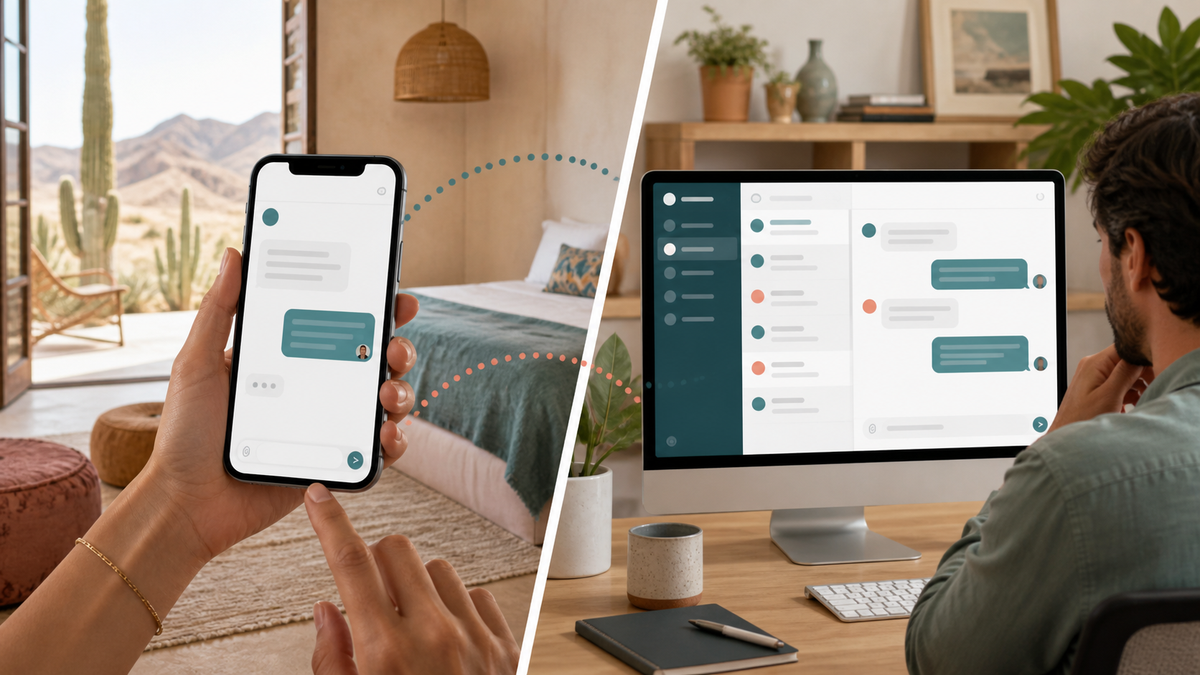
Creative retreats and boutique vacation rentals occupy a specific position in the hospitality industry. Guests are often seeking a curated experience, meaning their pre-arrival questions can be highly specific and detailed. An automated system would ideally handle these inquiries with a tone that aligns with the property’s brand, whether that is professional, rustic, or deeply relaxing. The initial point of contact often happens long before the guest arrives at the property. Many travelers begin their journey on social media platforms, asking preliminary questions to gauge if a property suits their needs. For instance, when an operator is considering how to promote a vacation rental on Facebook, having a responsive chat application is a factor some consider. Engaging potential guests where they browse can be a helpful step in the communication process. The official Meta Business Suite Inbox overview describes one way businesses can review messages from supported Meta channels together. Operators should still verify whether a specific vendor can route the channels they use into a dashboard, because a centralized view is a product capability rather than a guaranteed feature.
Key Workflows and Integration Considerations
The implementation of any conversational tool in a vacation rental setting relates to its ability to align with existing operational workflows. A standalone chat widget that does not connect with a central reservation system might require additional administrative steps. When evaluating applications, operators should ask if the application has the capability to query a live calendar, rather than requiring a human to cross-reference dates manually. Presenting property management system (PMS) integrations and calendar syncing as vendor capabilities to verify helps managers make informed choices. Furthermore, developing useful responses often involves structuring underlying data. Just as operators spend considerable time creating an asset inventory for boutique vacation rental property management to track physical items, they might also inventory the knowledge the chat system will access. This knowledge collection includes standard operating procedures, local recommendations, appliance manuals, and specific house rules. Providing the system with up-to-date information is a step toward offering helpful answers to guests. The effort put into building a robust knowledge base directly influences the quality of the interactions guests will have with the conversational interface. Property teams comparing inquiry workflows can review this real estate chatbot guide as one example of how a business can organize lead follow-up while keeping sensitive or complex questions with a person.
Preserving Human Contact for Sensitive Situations
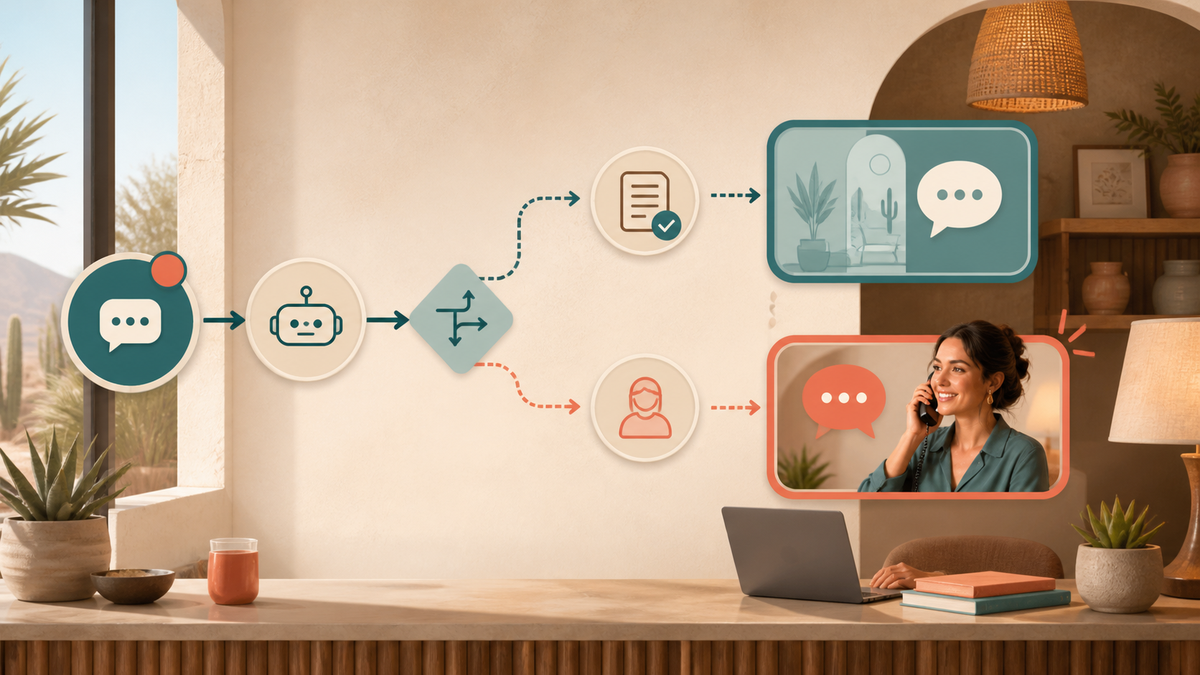
A critical aspect of implementing automated guest communication is recognizing when automation should step aside for human interaction. The hospitality industry values empathy, active listening, and personal care. A software interface should not replace a person in sensitive situations. Whether a guest is reporting a maintenance issue, expressing frustration over a booking detail, or requesting safety information, a human staff member needs to be accessible. Operators should test a visible human-contact path for guests. Rather than relying on instant or fail-safe keyword escalation claims by software, management should provide clear, separate emergency and safety instructions for distress scenarios outside of the chat interface. Guests should always have a visible option to reach a human host or manager. Establishing these boundaries ensures that the technology serves as an assistive tool rather than a barrier between the guest and the hospitality team.
A Practical Decision Checklist for Property Managers

To navigate the market of conversational applications, operators can use a structured checklist to evaluate potential vendors objectively. This helps verify that the chosen solution aligns with operational needs and long-term management strategies.
- Vendor PMS Integration: Does the vendor offer integration capabilities with current property management software to access calendar data and guest booking details?
- Channel Routing Capabilities: Does the vendor provide the capability to route messages from direct booking websites, email, and social media platforms into a unified interface?
- Human Escalation Path: Does the software provide tools for transferring complex or sensitive conversations to designated human staff members based on user requests?
- Customization Options: Can the automated responses be customized to reflect the unique voice, pacing, and branding of the boutique rental?
- System Analytics: Does the platform provide analytics on inquiry volume and the frequency of human transfers to help refine the system over time?
- Testing Protocols: Does the vendor offer a sandbox or testing environment to evaluate the conversation flows before deploying them to live guest channels?
Documenting these standardized operational workflows and technology choices helps in managing the present workload. This systematized approach is a helpful factor when valuing turnkey operations as vacation rental managers prepare real property and equipment for sale. Having clear processes mapped out demonstrates organizational maturity. When evaluating how to proceed with these tools, operators might consider referencing the AI risk management framework as an optional risk-review framework. This methodical approach can help in evaluating potential issues before they impact the guest experience. Furthermore, operators should maintain transparency with their guests regarding the use of automated systems. Guests should understand when they are interacting with software and when they are speaking to a human. Avoiding unsupported performance claims is an important part of maintaining guest trust and follows the FTC’s general evidence-based advertising guidance. Clear communication sets an appropriate baseline for guest expectations and fosters a more honest dialogue.
Privacy, Data Minimization, and Security
The implementation of a system that processes guest communications introduces questions regarding data privacy and security. Operators should review how to handle information by considering resources like a guide for protecting personal information. Rather than assuming the software necessarily avoids breaches or can prohibit external training, operators should ask direct questions about vendor data practices. What are the vendor’s data retention policies? Who has internal access to the conversational data? How is data securely deleted after a stay is completed? Can the vendor clearly explain their data handling procedures? By evaluating these privacy practices from the outset, operators can better understand how guest information is managed and make informed decisions about their technology stack. Formulating a list of data-related questions during the procurement phase helps ensure that the chosen vendor aligns with the property manager’s standards for information security.
Frequently Asked Questions
What is a benefit of using a chat application for a vacation rental?
A benefit is providing automated responses for routine inquiries, such as standard check-in times or parking instructions. This allows guests to receive standard answers while staff can focus on complex operational tasks.
Can automated systems resolve guest complaints?
Automated systems lack the judgment required to resolve nuanced guest complaints or emotional situations. Operators should configure systems to provide a path to transfer the conversation to a human manager for personalized resolution.
How can operators align automated responses with their brand?
Operators can align the system by customizing the knowledge base and response templates. Writing responses that reflect the specific tone and terminology of the boutique property helps maintain a consistent brand voice.
What happens if a guest asks a question the system doesn’t know?
The system should be programmed to acknowledge its limitation and provide an option to transfer the conversation to a human staff member. It can inform the guest that their inquiry is being forwarded to the management team.
How should operators handle sensitive data in chat applications?
Operators should ask questions about vendor data practices, including retention policies and deletion procedures. Reviewing data access and security measures helps managers understand how guest information is managed within the software.